Rural development since 1997
Real India
lives in villages.
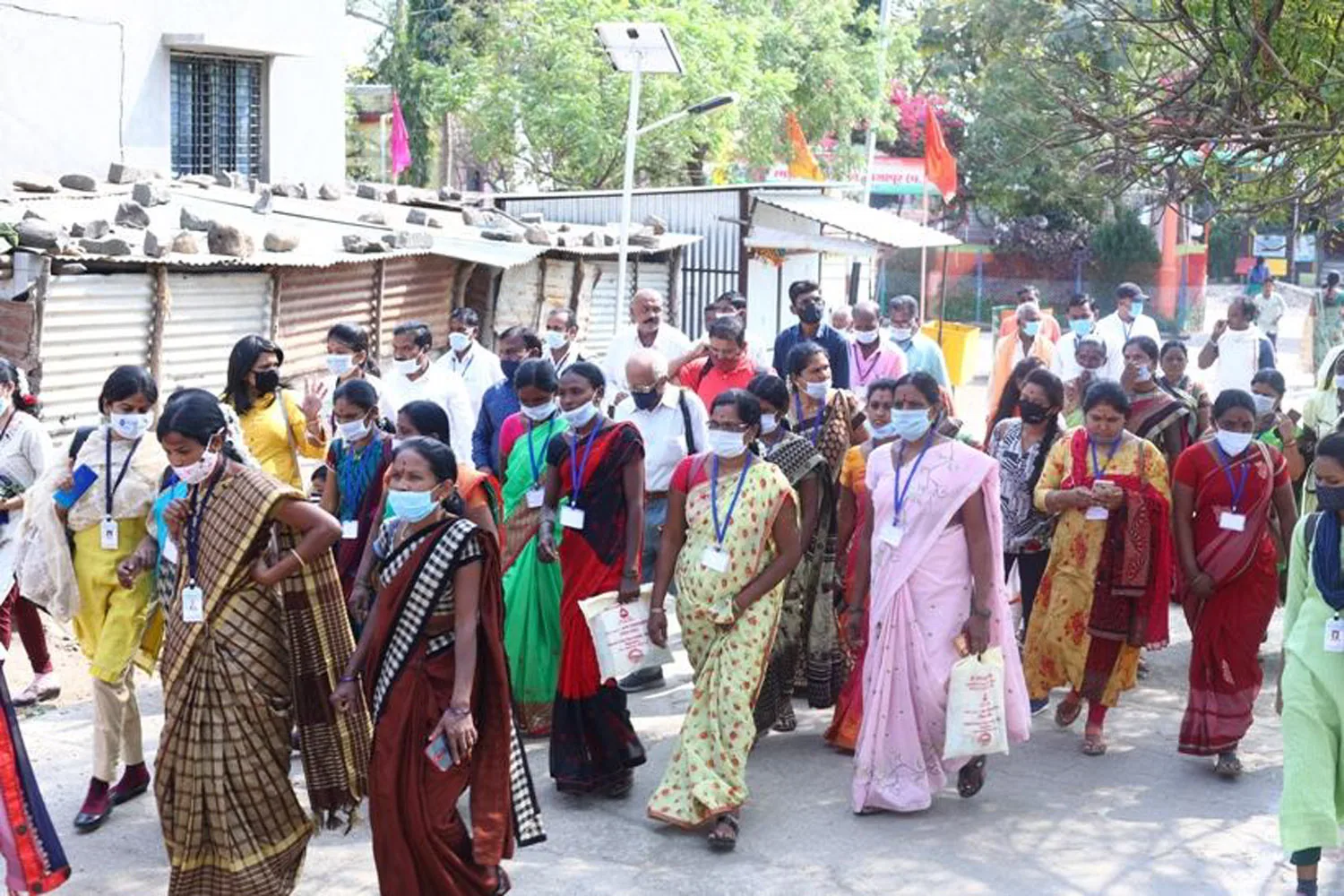
Saiprem Gramin Vikas Sanstha works alongside rural communities in Yavatmal — in water, learning, health, women’s enterprise and the land.

Founder & Chairman
Founder & Chairman
Ramesh D.
Bhanwe
A social worker active since 1981, Ramesh D. Bhanwe founded SGVS in Yavatmal in 1997 with six others.
His early life in Umarkhed and work as a contractor brought him close to the challenges faced by workers. The hardships he saw among workers, particularly the effects of poverty and poor health, helped shape his decision to enter social service.
He has participated in village surveys, Gram Sabhas and programme planning alongside professionals, resource persons and volunteers.
- 1981
- Community service begins
- 1995
- Association with Datta Seva Samiti
- 1997
- SGVS founded in Yavatmal
- Leadership
- Chairman, trustee body
Dr. Rambhau
Ramchandra
Kalbande
Khanapur · Ner taluka · Yavatmal
Ayurvedic doctor and social worker
Health, agriculture and opportunity, beginning with the needs of a village.
Dr. Rambhau Ramchandra Kalbande established Saiprem Gramin Vikas Sanstha in 1980–81 in Khanapur, a small village in Ner taluka of Yavatmal district. As an Ayurvedic doctor, he wanted to improve people’s economic well-being through better healthcare, village development, agricultural development and opportunities for women. For the next ten to fifteen years, he worked continuously to address the village’s problems.
In 1994–95, Shri Ramesh Dhansing Bhanwe of Yavatmal became an active member after seeing the organization’s service to the community. He was subsequently appointed Secretary. Guided by the principle of simple living and high thinking, he worked closely with people to find ways for the organization to resolve their difficulties. He believed that society had given much to each of us, and that giving back was a duty.
With a shared outlook, the President and Secretary began implementing government projects under the Drought Prone Area Programme in rural areas from 1995. Water-resource and conservation works covered approximately 5,000 hectares across villages including Khanapur, Dahifal, Dolhari, Brahmangaon and Kharadgaon. The resulting water storage enabled villagers to grow summer crops and helped labourers find work within their own villages.
Women also gained local employment. The organization formed women’s self-help groups, connected them with banks and helped them start businesses. Several groups went on to do excellent work, contributing to better economic living conditions for village families.
SGVS later opened a Bal Sadan in Babhulgaon, Yavatmal district, to care for 100 orphaned children. In 2001, it secured government approval for another phase of the Drought Prone Area Programme and resumed work under that programme.
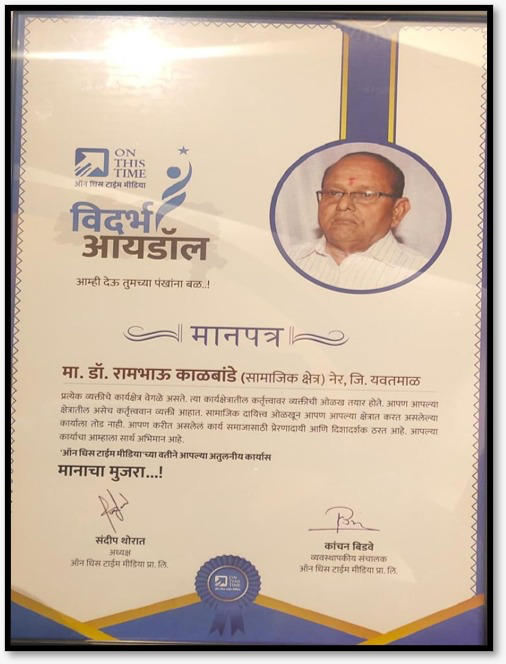
See recognition
Vidarbha Idol recognition and press coverage. Select an image to read it in full.
The organization
A village is where
the work begins.
Saiprem Gramin Vikas Sanstha is a non-profit organization established in 1997. From its home in Yavatmal, its work has grown through schools, village meetings, field visits, health programmes and practical training.
- Established
- 1997Society registration on 17 December 1997.
- Documented reach
- 4Maharashtra, Madhya Pradesh, Chhattisgarh and Odisha.
- Programme records
- 30Programme families brought together in this edition.
- Training resource
- 121Training resource persons with varied experience.
02 / The work
Six fields.
One practice.
SGVS works across water and sanitation, education, health, women’s enterprise, land and rural institutions. The record spans decades and four states. Select a field to see its plate and open the programme record.
NAMASTE in the field.
Dignity, skills and livelihoods for sanitation workers and their families.
SGVS’s NAMASTE work includes field surveys and implementation support in Maharashtra and Odisha. These photographs show the work in the field.
Explore NAMASTE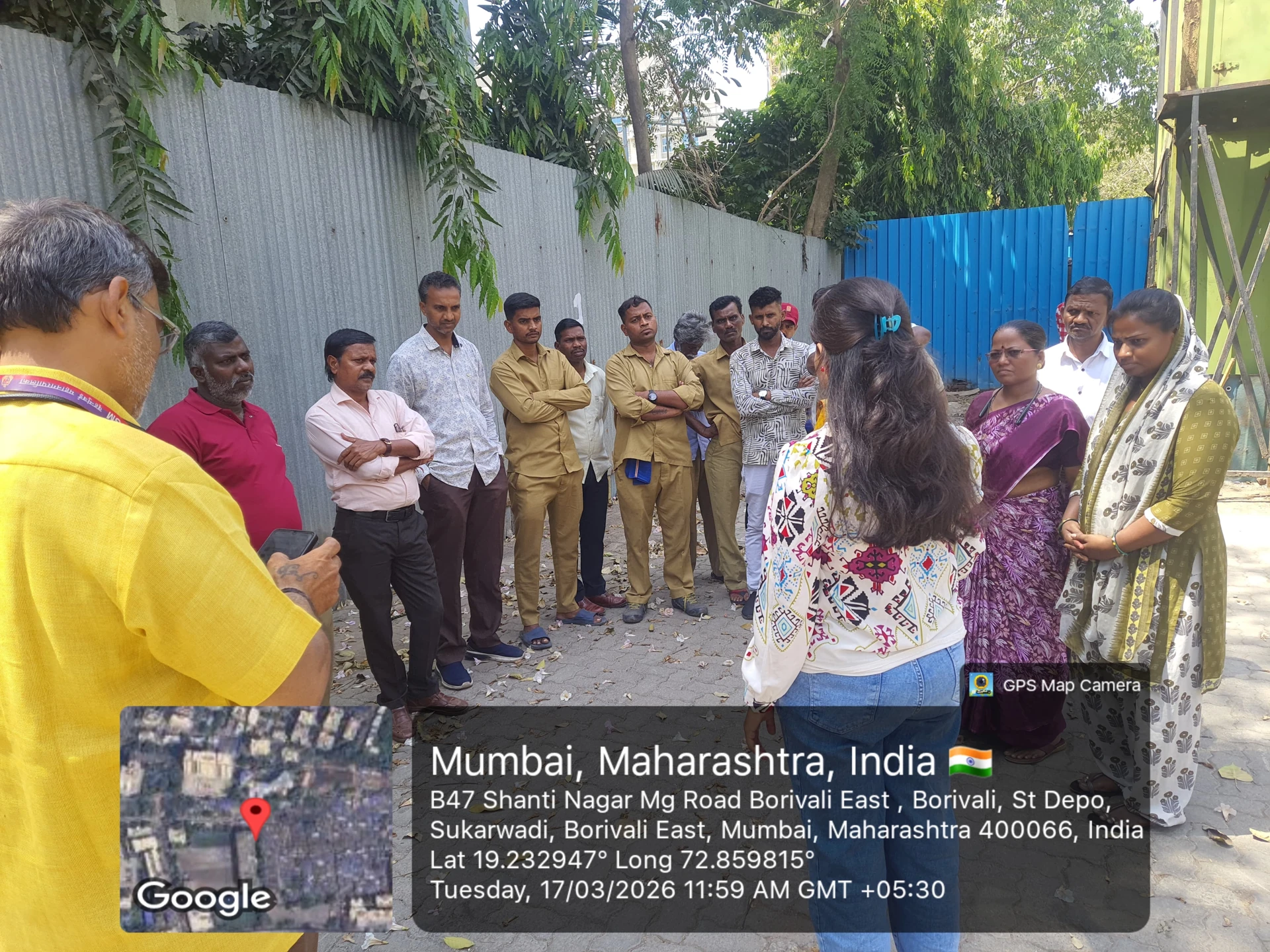
NAMASTE field meeting with workers in Borivali, Mumbai.
Drought-prone areas.
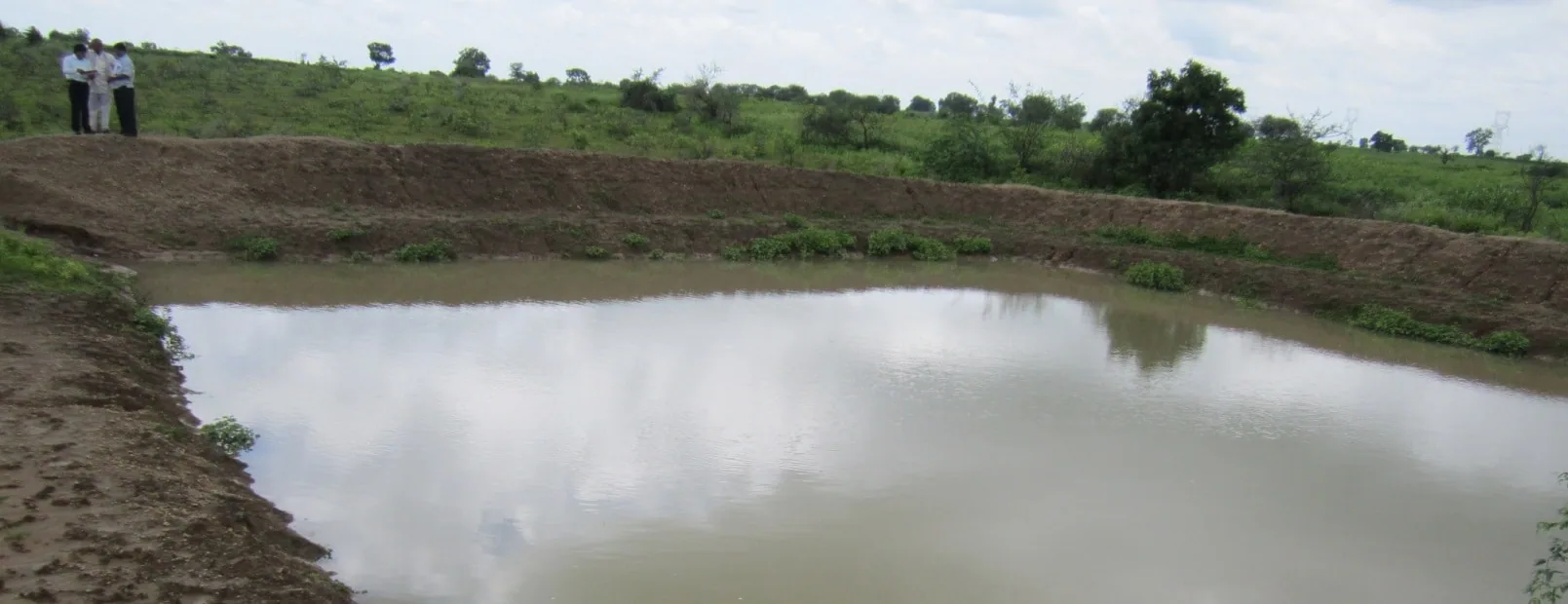
Soil and water conservation, groundwater recharge and local livelihoods are connected. SGVS’s Drought Prone Area Programme brought these together in Bhatkuli and Daryapur talukas of Amravati.
From 2004 to 2010, SGVS served as a Key Resource Centre with support from DRDA and the Government of Maharashtra.
Read the DPAP record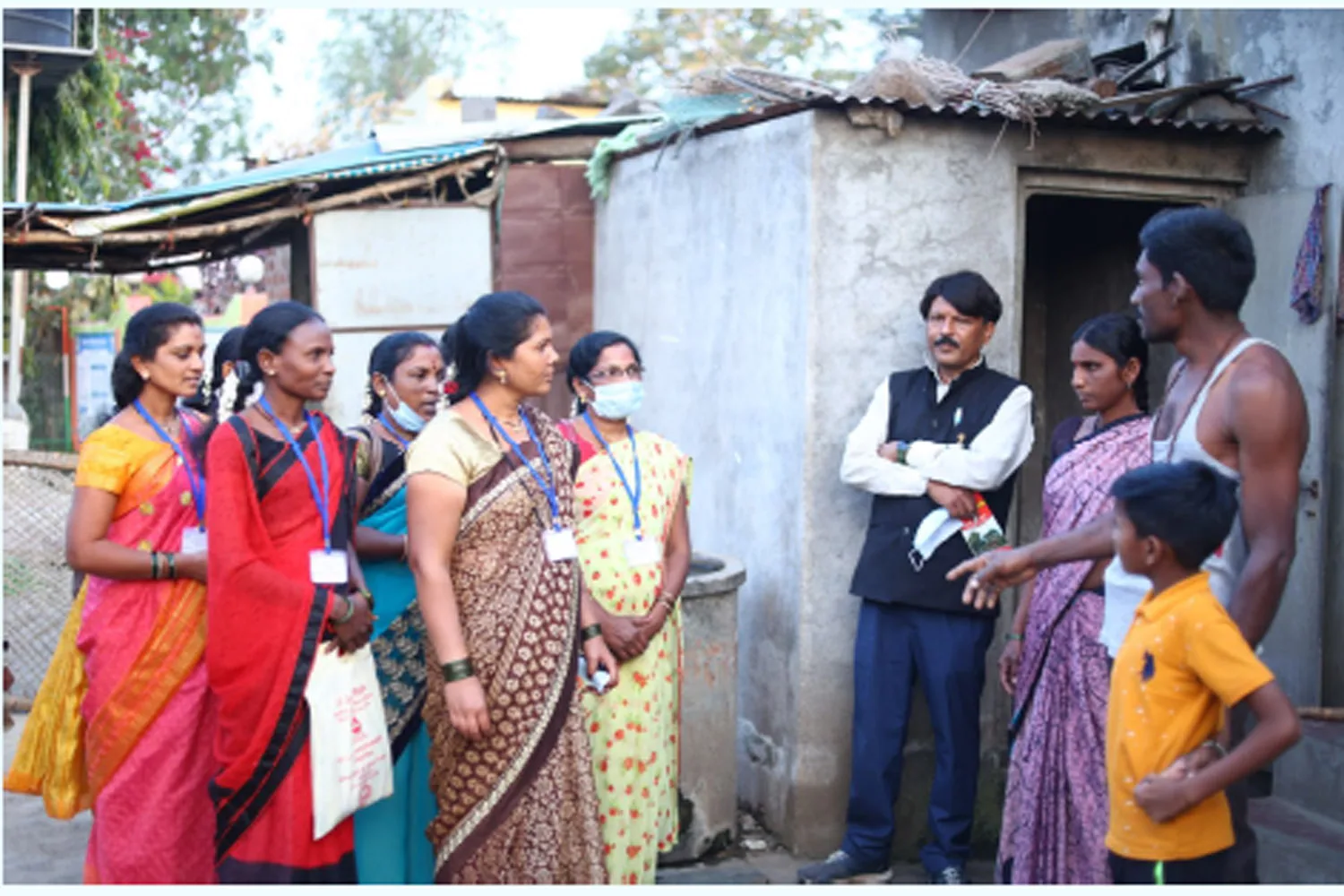
A field visit during an SGVS training programme.
Jal Jeevan Mission · KRC Level 3
The people
behind the taps.
Under Jal Jeevan Mission, SGVS has worked as an Implementation Support Agency in Kalamb and as a Key Resource Centre for village-level training. Training covered four phases and two further phases on water quality.
- Documented area
- Six districts across Maharashtra, Madhya Pradesh and Chhattisgarh.
- Working period
- From 2021; contact SGVS for current status.
- Role
- Implementation Support Agency; Key Resource Centre, KRC Level 3.
03 / The field
The work,
as photographed.
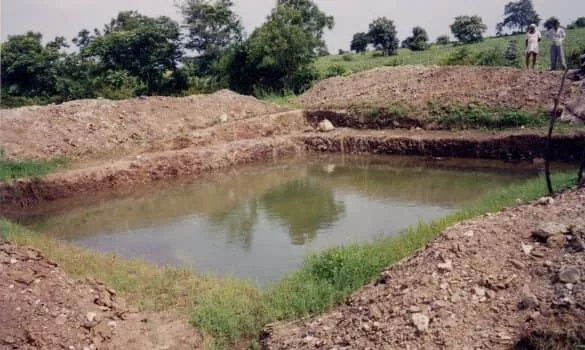
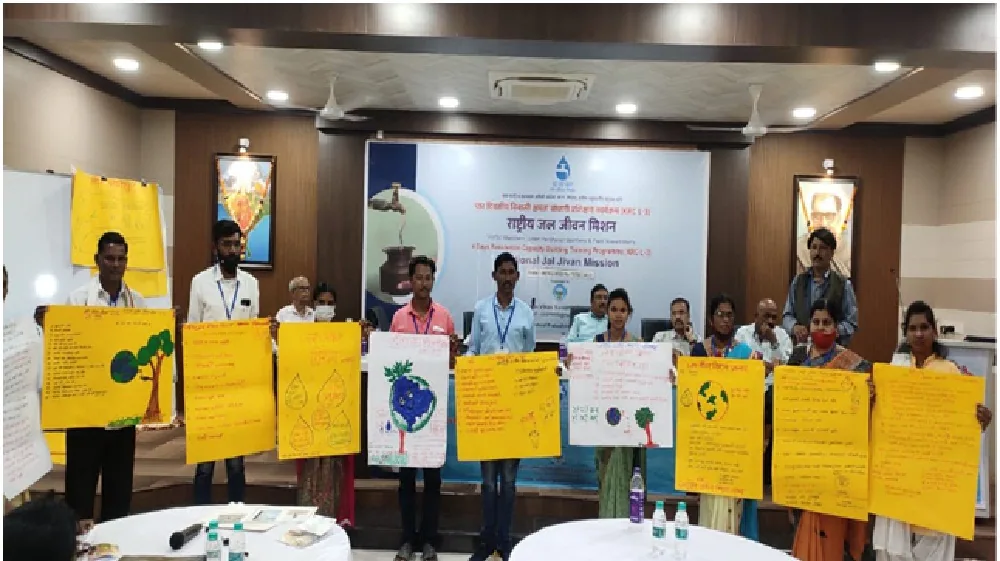
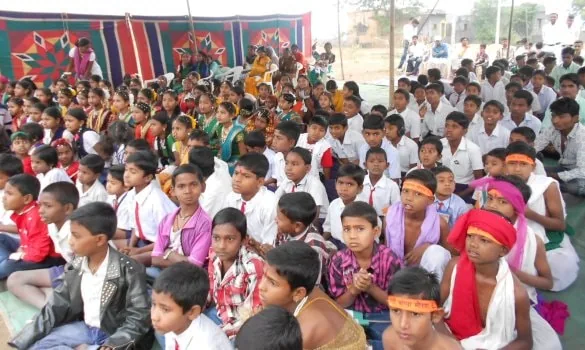
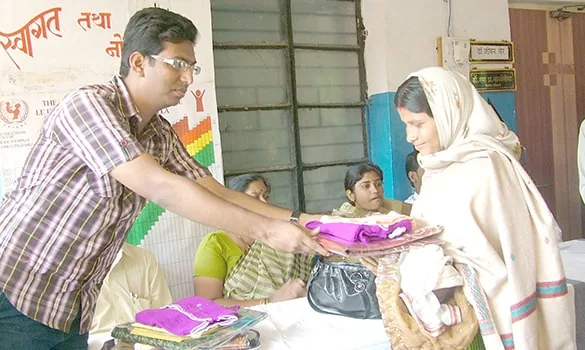
From hand-drawn village water charts to a school gathering and a watershed structure, these photographs show the work in the field.
04 / The record
The organization’s
own record.
The organization profile gathers the institution’s history, governance, programme accounts, resource persons and press coverage into one document. Key moments are set out below; the complete record can be read page by page.
- 1981
A commitment to service
Ramesh D. Bhanwe begins his community service.
- 1997
SGVS is established
Founded in Yavatmal. Society registration follows on 17 December 1997; trust registration on 6 June 1998.
- 2002
Schools, coaching and health
School education, coaching, family planning and tree plantation programmes begin.
- 2021
Jal Jeevan Mission
Implementation support in Kalamb and KRC training across six districts in three states begin.
- Profile
The complete profile
The organization publishes a record of its programme accounts, governance, training resources and press coverage.
05 / Partner
A partnership
with a place.
A company can bring resources, expertise or equipment. SGVS brings a long local record, programme experience and working relationships with rural institutions. The next step is a conversation about scope.
- 01Water & sanitation
- 02Education
- 03Health & community care
- 04Women & livelihoods
- 05Sanitation & waste management
- 06Training & capacity building
Give by direct bank transfer, or contact the SGVS team to discuss your contribution.